
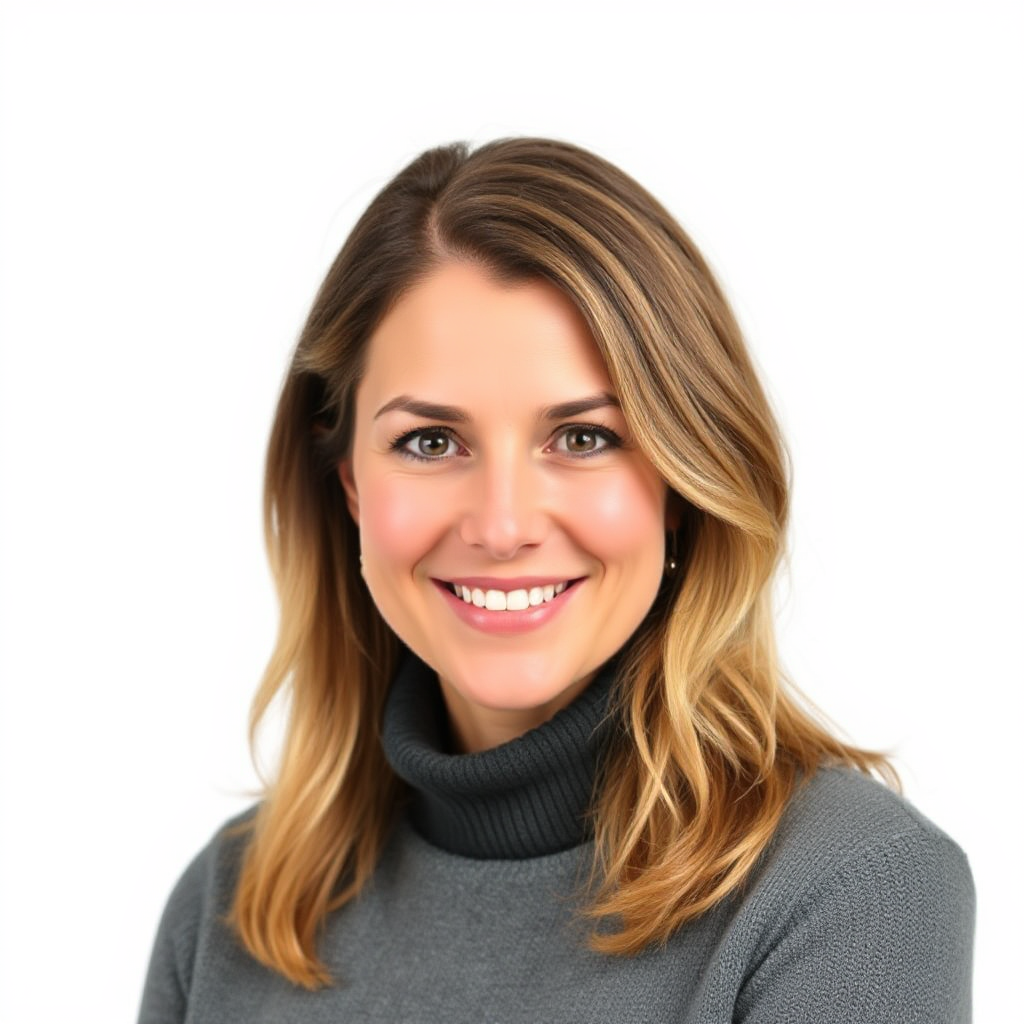

Ex- Google boss Matt Brittin confirmed as the BBC's incoming leader.
The former president of Google's EMEA division will replace the outgoing director general, who stated his exit in November following a row over how a current affairs show altered a address by former President Trump.
The corporation's chairman stated that Brittin, who departed from Google in the previous year after 18 years, "provides the BBC extensive experience of managing a prominent and sophisticated organisation through a period of change".
The 57-year-old said he "can't wait to start this work", describing it as "a moment of real risk, yet also genuine opportunity".
He stated that the United Kingdom must have "a successful BBC that benefits all in a turbulent, volatile and rapidly evolving environment".
Outlining his vision, he said: "The BBC needs the momentum and vigour to be simultaneously covering events, and where viewers and listeners are. To strengthen the audience, credibility and creative strengths now, confront issues with bravery, and succeed as a public service ready for the years ahead."
'Radical Reform'
The chairman called the new appointee "a remarkable figurehead" with "the capabilities needed to guide the broadcaster through the many changes occurring in the media market and in audience behaviours".
The chairman also commended Brittin's "dedication to the BBC, his grasp of the challenges confronting the organisation, his allegiance to its autonomy and his drive to maintain the BBC's standing as one of the nation's greatest national assets".
The incoming chief joins at "a critical time", as the UK government assesses the BBC's governing charter, the chairman added.
"Undoubtedly there is a requirement for radical change of the BBC, its licence fee system and the structure in which it works. The consequences for the BBC, and the future of the PSB model, have never been higher."

The BBC's leadership role is considered to be one of the toughest in British media.
During Davie's time in office as the BBC's 17th chief, he was responsible for handling a number of controversies and crises at the broadcaster.
His immediate concerns will include handling a high-value defamation claim filed by the US president against the BBC.
The former president is objecting to the way Panorama spliced two sections of a address he gave on January 6th, for which the BBC has expressed regret.
The previous week the broadcaster urged a court to dismiss the lawsuit, saying the controversial episode was not broadcast in the United States.
BBC at a Turning Point
The incoming chief takes charge at a pivotal period for the BBC in several areas, too.
He will take forward talks with the government on the corporation's remit and the future of the funding mechanism and BBC funding.
The existing framework, which outlines the conditions and aims of the BBC's operation, will come to an end in 2027.
Brittin's selection also occurs at a moment when the BBC is competing with digital behemoths in the digital media market.
Google's parent company owns YouTube, with which the BBC not long ago revealed a major deal to develop tailor-made programmes.
Technology Background a Bonus?
Several figures at Google "have only good things to say" about Brittin, describing him as an motivational manager and a superb colleague".
Several have queried the BBC's appointment someone with a career history in technology rather than traditional broadcasting or established editorial expertise.
However, it is believed that "he's been picked by the corporation's directors for his first-hand experience of major tech firms. There's an anticipation he will champion the move to online, for example in news. He'll also likely focus on transforming and improving BBC iPlayer."
Former BBC Newsnight editor a former colleague, who collaborated with Brittin at Google, remarked he is "highly motivated by a feeling of serving the public".
"He loves the BBC for its reliable news and its originality, but he's also acutely mindful of its past as a technical pioneer.
"He wants the BBC to prosper in a environment where several of its biggest issues are linked to tech, whether that's the power of the digital platforms, digital disinformation, or merely how the public want to consume programmes.
"In light of his background and connections within the tech industry, and also the relationships he's built with broadcasters, the journalism sector, regulators and politicians, I think he's extremely well positioned to address the tasks."
Who is Matt Brittin?

Born in southern England, Brittin received a qualification from the University of Cambridge, while also rowing for them in the annual race multiple times.
He also raced for Team GB and won|secured|earned


